

Flight delays can ruin your travel plans, leading to missed connections or added expenses. A new rule from the Department of Transportation (DOT) changes this for U.S. travelers: airlines must now offer automatic refunds for “significant” delays. This update gives travelers peace of mind, knowing they’re protected against unexpected delays without the hassle of filing claims.
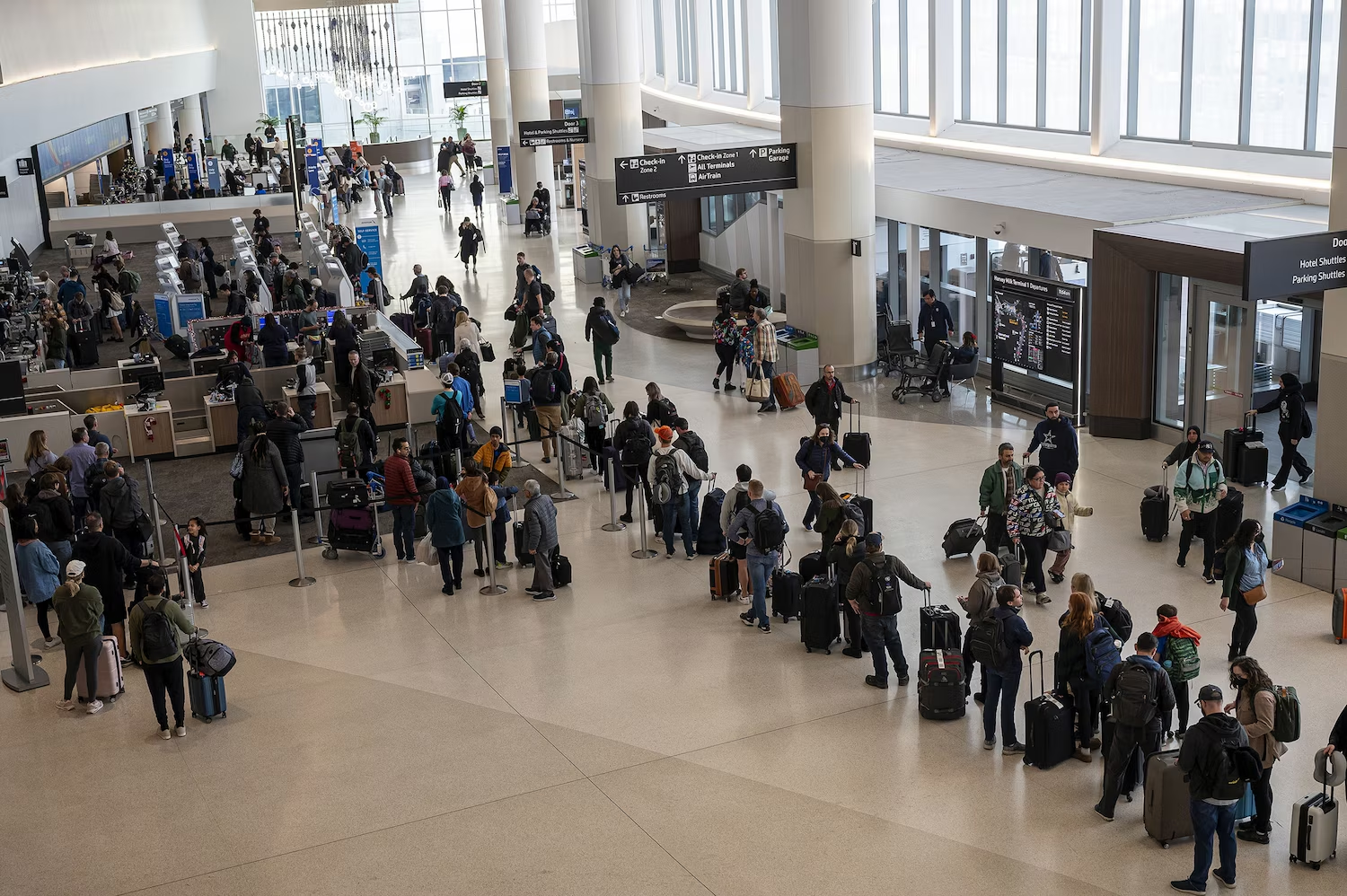
Why Automatic Refunds Matter
Waiting endlessly at the airport can be stressful. Previously, passengers had to deal with lengthy refund processes, often involving calls and forms. Now, automatic refunds simplify everything, ensuring travelers get their money back when flights are significantly delayed. This rule levels the playing field, especially for those who can’t afford to lose money due to last-minute delays.
What is a “Significant Delay”?
You might wonder what counts as a “significant delay.” The DOT generally defines it as a delay of three or more hours for domestic flights or six or more hours for international flights. Missed connections or cumulative delays that add up to these thresholds can also qualify. For instance, a three-and-a-half-hour delay on a New York to Miami flight or a six-hour delay on a Los Angeles to Tokyo trip should trigger an automatic refund.
How the Refund Process Works
For eligible delays, the airline will automatically process your refund—no need for you to file a request. Refunds generally go back to your original form of payment and are typically processed within seven to ten business days. While you don’t need to chase it, keeping an eye on your account is wise to ensure it goes through.
Why This Change Matters
This rule is a win for travelers, especially for those on a tight budget. The DOT’s rule reflects a commitment to protecting passengers’ rights, giving them financial protection when travel doesn’t go as planned. For more on your rights as a traveler, check the DOT website or visit I Love Food Media for helpful resources.
This policy encourages airlines to improve delay management, making the future of travel potentially smoother and more transparent. Knowing your rights can make your next trip more enjoyable, even if unexpected delays occur.
External Resources: